Toyota Engine Oil Leak: VVT-i Valves, Vacuum Pump and Alternator Replaced

A Toyota came in with an engine oil leak. The VVT-i valves, cam sensors, vacuum pump and valve cover gasket were all replaced in one visit. The car later stalled on the road from an unrelated alternator failure and was towed back. The alternator was replaced and the labour was waived. The owner drove home and confirmed the car was fine.

Job completed: September 2026

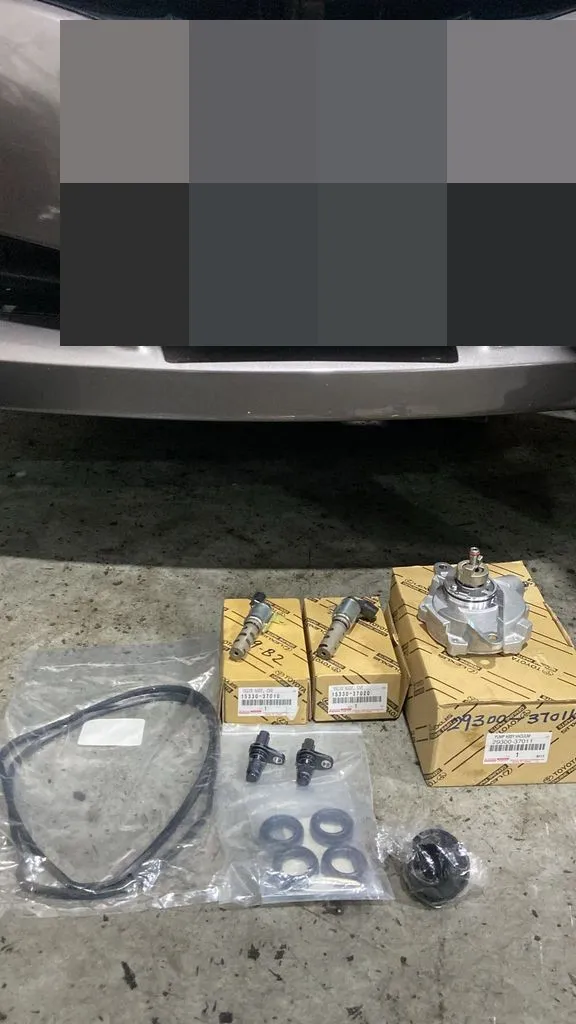
Toyota genuine VVT-i oil control valves and vacuum pump parts before installation at 1 Car Service Singapore workshop

Job completed: September 2026. Last updated: September 2026. Written from our workshop job records and photos; technical details are generalised where the records do not confirm them.

CarToyota
SymptomEngine oil leak; car later stalled on road
Fault foundVVT-i oil control valves, cam sensors, vacuum pump gasket and valve cover gasket all leaking oil; alternator failed (separate fault, found after car stalled)
Repair doneValve cover gasket with plug seal; VVT-i valves x2; cam sensors x2; oil cap; vacuum pump with gasket; replacement alternator (labour waived as goodwill)
PartsToyota genuine VVT-i oil control valves and vacuum pump; replacement alternator
Time takenOil leak repair one visit; alternator replaced after tow on second visit
Cost$1,800 oil leak repair; $780 alternator (labour waived); $2,580 total
WarrantyOwner confirmed car running fine; alternator labour waived as goodwill

What brought the Toyota in

The Toyota owner came in with an engine oil leak. We inspected and found multiple sources at the top of the engine. The VVT-i oil control valves, the cam sensors, the vacuum pump gasket and the valve cover gasket were all addressed in an itemised quote.

An itemised quote was prepared and approved. The VVT-i oil control valves and vacuum pump were sourced as Toyota genuine parts. The oil leak was fully repaired in one visit.

After the car was collected, it stalled on the road. It was towed back to us. The oil leak repair was unrelated to the stall; the fault was traced to the alternator, which had failed. The alternator was replaced. As a goodwill gesture, the labour for the alternator was waived. The owner collected the car and confirmed it was running fine.
About Toyota VVT-i and common oil leak points

Toyota's Variable Valve Timing with intelligence (VVT-i) system adjusts camshaft timing using oil pressure. The oil control valves that manage this pressure can begin to weep oil externally as the engine accumulates mileage, as the seals in the valve body harden over time.

The cam position sensors sit in the valve cover area and are sealed with O-rings that also age and harden. The vacuum pump, where fitted, has its own gasket that is subject to the same heat and age degradation as the valve cover gasket.

On a Toyota, all these components sit in proximity at the top of the engine. When one is leaking, the others are worth inspecting at the same time. Replacing them together avoids a follow-up visit for the next component to fail.

How the oil leak and alternator fault were diagnosed

The initial oil leak inspection with the car on a lift identified the VVT-i valve bodies, cam sensor O-rings, vacuum pump gasket and valve cover gasket as the sources. All were presented to the owner and an itemised quote covering all components was prepared and approved.

For the alternator failure, the car stalled on the road and was towed back to us. The fault was traced to the alternator. A replacement alternator was fitted and the car was repaired before the owner collected it.

Why Toyota oil leaks often involve multiple top-end components

The VVT-i oil control valves, cam sensors and vacuum pump are all located at the top of the engine and share exposure to the same oil and heat environment. Rubber seals and gaskets in this area age together at a similar rate. When one leaks, the others are worth inspecting at the same time.

On an older or higher-mileage Toyota, addressing all the sources together in one visit is more efficient than replacing components one at a time over several visits. Toyota genuine parts are the right choice for VVT-i-specific components because the valves need to operate to the correct specification for the system to work properly.

The alternator failure was a separate and unrelated fault. Alternators do not fail on a predictable interval; they can fail at any mileage.

What we did

First visit (oil leak repair):

  • Replaced the valve cover gasket and plug seals.
  • Replaced both VVT-i oil control valves with Toyota genuine parts.
  • Replaced both cam sensors.
  • Replaced the oil cap.
  • Replaced the vacuum pump and gasket.

Second visit (after tow, alternator failure):

  • Diagnosed the alternator fault.
  • Replaced the alternator.
  • Labour for the alternator replacement was waived as goodwill.

The car was confirmed running normally before handover on both visits.

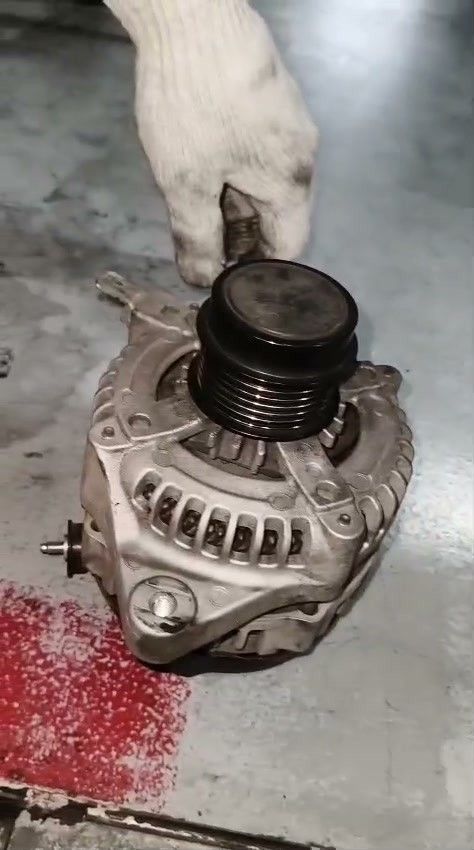
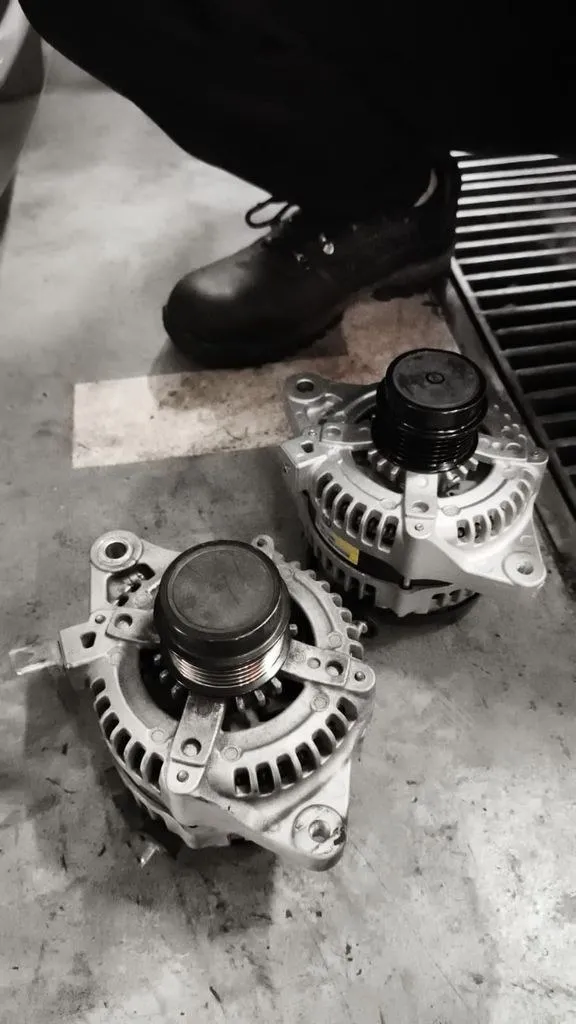
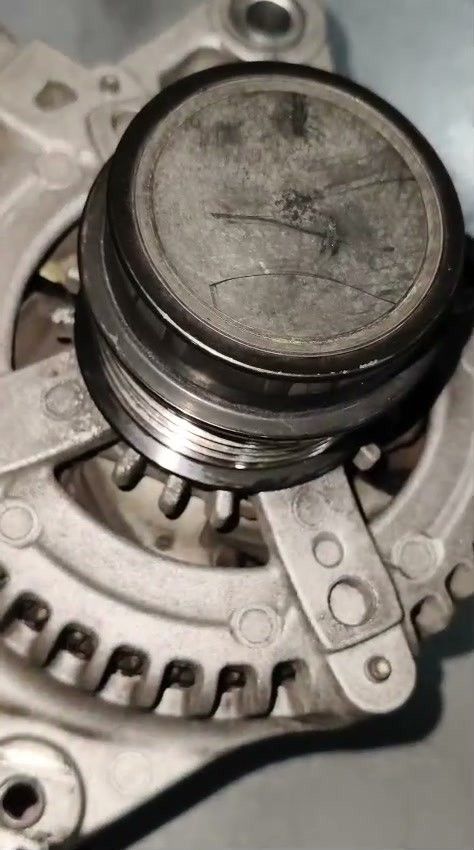
Replacement alternator next to the failed unit for a Toyota

Before and after

Before

  • Engine oil leak from VVT-i valves, cam sensors, vacuum pump gasket and valve cover gasket
  • Alternator failed (separate fault), car stalled on road after initial repair

After

  • All oil leak sources repaired; VVT-i valves and vacuum pump replaced with Toyota genuine parts
  • Replacement alternator fitted, charging system restored; labour waived as goodwill
  • Owner confirmed car running fine

What Toyota VVT-i oil leak and alternator repairs cost in Singapore

On this Toyota, the full oil leak repair was itemised as follows:

  • Valve cover gasket with plug seal: $210
  • VVT-i valves x2: $390 ($195 each)
  • Cam sensors x2: $370 ($185 each)
  • Oil cap: $55
  • Vacuum pump with gasket: $495
  • Labour: $280

First visit total: $1,800

Alternator (replacement): $780 (labour waived as goodwill)

Total across both visits: $2,580

All items were quoted and approved before each visit began.

Preventing Toyota engine oil leaks

Keep up with the engine oil change interval and check the oil level regularly. Running old or low oil increases internal temperatures and accelerates seal degradation.

At each major service, ask for a check of the VVT-i system and top-end gaskets if the Toyota has accumulated significant mileage. A slight oil film around the cam sensor housings or the VVT-i valve bodies is an early sign to watch.

For the alternator, there is no reliable preventive measure. A charging system check at each service (voltmeter across the battery with the engine running) gives an indication of alternator health, but alternators can fail without prior warning. If you notice dimming lights, a battery warning light or the car struggling to start, get the charging system checked promptly.

About the workshop

This Toyota (engine oil leak repair, VVT-i valve replacement, alternator replacement) was handled at 1 Car Service, an independent workshop in Sin Ming AutoCity, Singapore. We hold a 4.9★ rating from 1,790+ Google reviews.

Signs your Toyota engine has an oil leak or charging fault

Toyota oil leak or alternator issue? Get it properly diagnosed.

WhatsApp us your symptoms and we will advise what to check. We quote every item after inspection and only start once you approve.

Toyota VVT-i oil leak and alternator repair: common questions

How much does a Toyota VVT-i oil leak repair cost in Singapore?

On this Toyota, replacing the VVT-i valves, cam sensors, vacuum pump and valve cover gasket came to $1,800. The exact cost depends on how many components need replacing. WhatsApp us your model and we will inspect and quote before starting any work.

Should I use Toyota genuine parts for VVT-i oil control valves?

Yes, for VVT-i-specific components we recommend Toyota genuine parts. The oil control valves need to operate to a precise specification for the variable timing system to work correctly. Using the right parts avoids issues with system function after the repair.

Why did my Toyota stall after the oil leak was fixed?

A separate component failed. In this case the alternator, which was unrelated to the oil leak repair, gave out after the car was collected. Alternators can fail at any mileage. We towed the car back and replaced the alternator as a priority, waiving the labour.

Can a Toyota alternator failure be predicted?

Not reliably. A charging system check (voltmeter at the battery with engine running) can indicate if the alternator output is low, which may give early warning. But alternators can also fail suddenly. If your Toyota shows a battery warning light, dimming lights at idle or difficulty starting, get the charging system checked promptly.

8033 7708 Chat with a specialist
WhatsApp 8033 7708
Specialist advice • Honest quote • No obligation