A moment of distraction at the pump, an unfamiliar rental, a different nozzle colour than you are used to, and the wrong fuel goes in. It is more common than people think, and the cost of the mistake depends heavily on what happens next.
If you are still at the pump: do not start the engine
This is the whole game. With the engine off and the ignition untouched, the wrong fuel is mostly still sitting in the tank, and the fix is usually draining and flushing. The moment the engine runs, the fuel pump pushes the contamination through the lines, the filter, the injectors and into the combustion chambers, and the job can grow with every second.
So, if you realise at the station:
- Do not start the engine. Do not even switch the ignition on, because on many cars that alone primes the fuel pump.
- If the car can go into neutral without the ignition (many automatics cannot), push it clear of the pump with the station staff. If it cannot, leave it where it is and tell the staff; the tow can move it.
- Arrange a tow. Do not drive it, even a short distance, even if it starts.
- WhatsApp us with your car model, which fuel went in, roughly how much, and whether the engine has been run. We will tell you honestly what the fix involves before the car moves anywhere.
If you have already driven off
Sometimes the mistake only becomes obvious down the road: the engine hesitates, runs rough, smokes, loses power, or stalls and refuses to restart. If that is you, pull over somewhere safe, switch off, and do not keep restarting it. Every restart circulates more contaminated fuel. From here the right move is still the same: tow, do not drive.
Diesel in a petrol car vs petrol in a diesel
The two mistakes are not equal.
Diesel into a petrol car usually announces itself immediately: petrol engines cannot burn diesel properly, so the engine cranks without catching, or starts and quickly stalls. Frustrating, but caught early it is often the cheaper direction, because the fix is contamination removal: drain the tank, flush the system, refill with the correct fuel.
Petrol into a diesel is the more dangerous direction. Diesel is also the lubricant for the high-pressure pump and injectors, and petrol strips that lubrication away. A diesel can run for a while on contaminated fuel while quietly wearing its pump and injectors, which are precision parts with painful price tags. If you have put petrol in a diesel, treat it as urgent even if the car seems to drive fine.
What the fix involves, and what it costs
Caught before or shortly after starting, the repair is usually a fuel system clean: drain the contaminated fuel, flush the tank and lines, replace the filter where needed, re-prime with the correct fuel, then start, check and road test. Run long enough to cause damage, the bill climbs toward injectors, pumps and beyond, which is exactly why the tow is worth it.
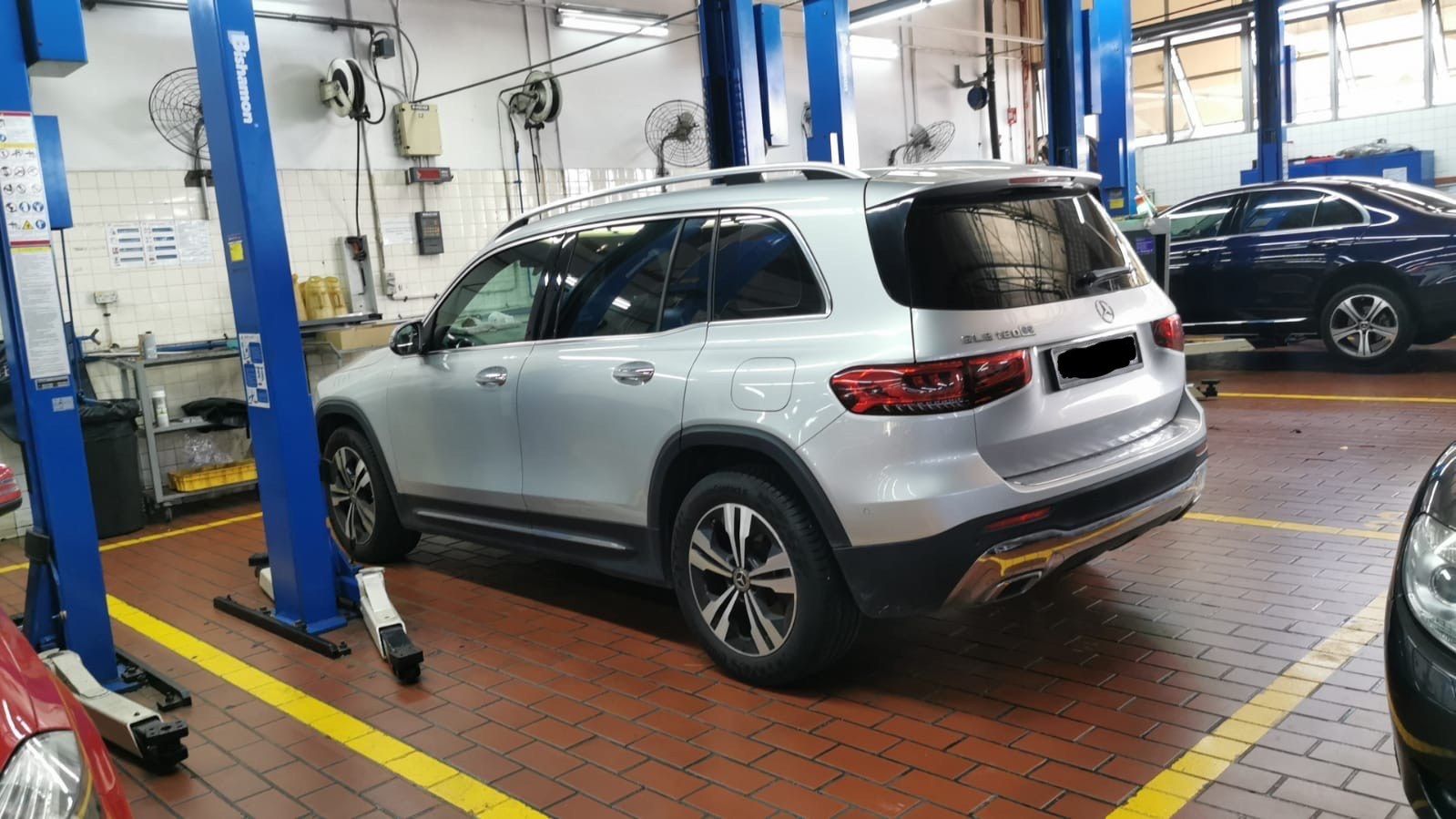
Here is the documented version. A Mercedes-Benz GLB 180, a petrol car about 1 year 9 months old, was towed to us after diesel went into its tank. The engine cranked but would not start. The authorised dealer had quoted over $15,000 before GST to replace the fuel system: tank, pumps, injectors, lines and more. We drained the tank, flushed the fuel system, re-primed it with the correct petrol, and the car started and was road tested before handover. The fuel system cleaning cost $250. Read the full case study.
That gap is not magic. It is the difference between replacing a fuel system and cleaning one, and between a workshop that diagnoses what actually needs doing and a quote that assumes the worst of everything. It will not always be $250: a car that has been driven on the wrong fuel may need more than a clean, depending on how far it ran and what the fuel reached, and we tell you exactly what yours needs after we see it. Every job is quoted item by item before any work begins. You can see documented prices for other repairs on our car repair cost page.
How to stop it happening again
- Slow down at unfamiliar pumps. Rentals, borrowed cars and a new car after years in the old one are the classic misfuel moments.
- Read the nozzle label, not the hose colour. Colour conventions are not consistent everywhere.
- If your household runs both a petrol and a diesel vehicle, a misfuel prevention cap on the diesel filler is cheap insurance.
- Put a small reminder sticker inside the fuel flap. Mildly embarrassing, much cheaper than injectors.
If it has just happened to you, stop reading and WhatsApp us with your car model and which fuel went in. The earlier we hear from you, the cheaper this is likely to be.