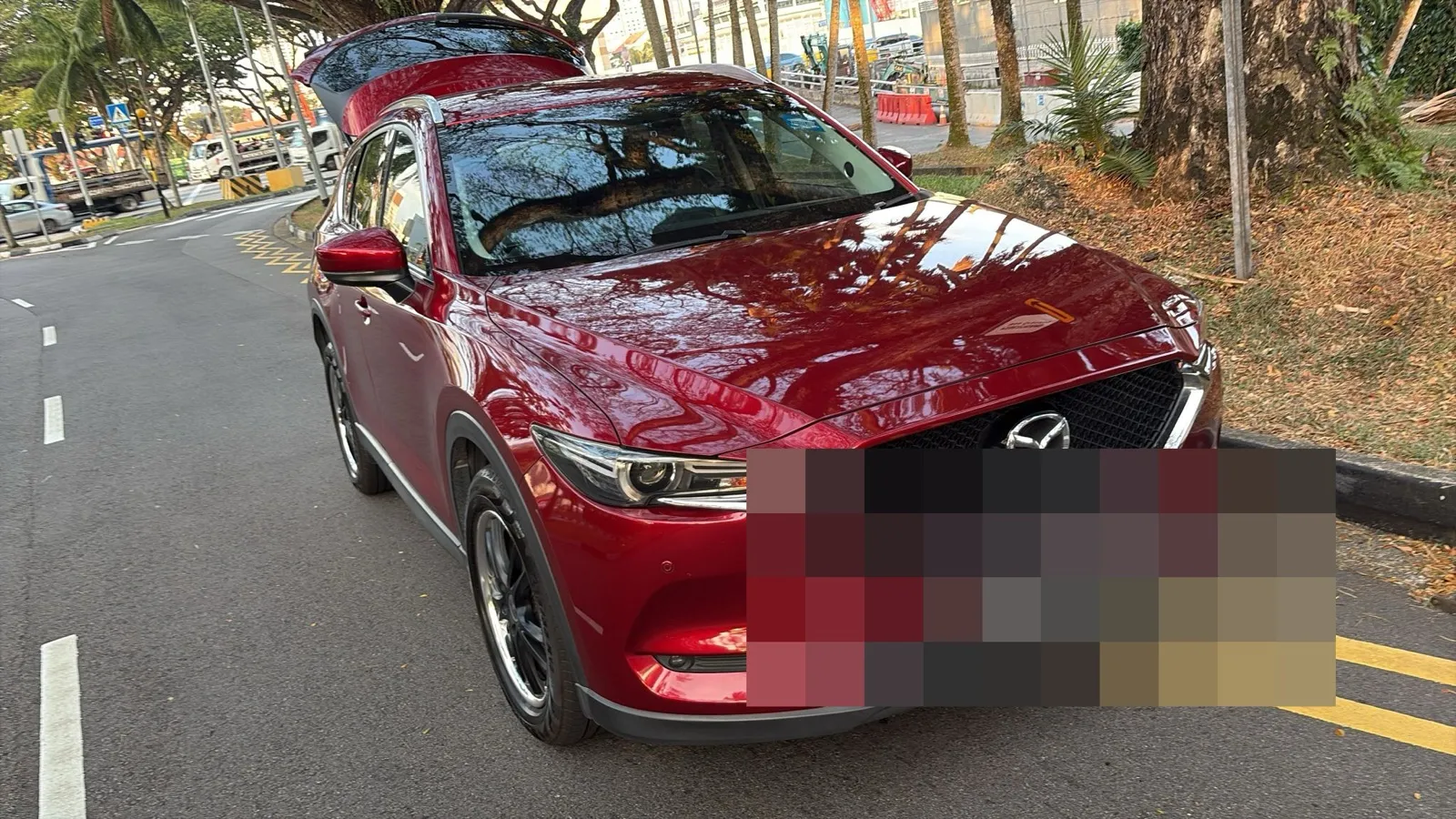
What each repair involves on the CX-5, when to inspect or replace, and what our invoices say it costs
The figures are from our invoices. Scheduled maintenance follows the requirements for your car's engine, gearbox and model year; other repairs are assessed from symptoms, inspection and diagnostic results rather than a universal age or mileage. The notes under each repair are general guidance for cars driven in Singapore, not statistics.
Gearbox oil changes on the Mazda CX-5
38% of the CX-5 registrations in our records had at least one invoice involving this work (11 of 29, 14 invoices in all). On the bill, this item typically came to about $150 (11 recent priced bills, GST included; other work on the same bill is not counted).
Automatic transmission fluid lubricates moving parts, carries hydraulic pressure and helps control heat. A driver may feel delayed engagement, shuddering or rough changes when the fluid is degraded or another transmission fault is present. Leaving the cause unchecked can increase heat and wear, turning a service need into internal damage.
Diagnosis starts with a road test, fluid-condition inspection and leak check. We document what we find, then quote before work starts and recommend an oil change only when the evidence supports it, rather than condemning the whole gearbox.
Service interval: Follow the interval and fluid specification for your gearbox and model year; they differ between gearbox types even within one model, and we confirm them for your car. Where the maker lists no change for the life of the car, ask us whether a preventive change makes sense for your gearbox and driving.
Maintenance and early warning signs: Use the specified fluid and fill procedure, with the filter where your gearbox has a serviceable one, and avoid hard launches while the gearbox is cold. Fresh fluid is maintenance, not a cure for a gearbox that is already faulty. Early signs: a burnt smell, dark fluid, shifts that have become rough.
More on this repair at 1 Car
Battery replacement on the Mazda CX-5
38% of the CX-5 registrations in our records had at least one invoice involving this work (11 of 29, 12 invoices in all). On the bill, this item typically came to about $200 (10 recent priced bills, GST included; other work on the same bill is not counted).
The battery supplies power for starting and helps keep the electrical system stable. Slow cranking, dim lamps, repeated warnings or unreliable starting can point to low battery output. Waiting can leave the car unable to start and may hide a charging or electrical-drain fault.
We run a battery load test and charging-system test, then check for unwanted drain when the readings call for it. The results are recorded, so we can quote before work starts and replace the battery only if it is the failed part.
When to inspect or replace: The starter battery is tested at every service and replaced on the test result rather than at a set age. Cars with a separate auxiliary battery for the stop-start system or the electronics have that battery tested and replaced the same way, and it is counted in this row. Hybrid drive batteries are a separate matter.
Maintenance and early warning signs: Short trips and daily aircon use are hard on a battery in Singapore; give the car a longer run where you can, switch accessories off before the engine, and park in shade. Early signs: slow cranking, lights dimming at idle, stop-start no longer working, a warning about the auxiliary battery, electrical warnings that come and go.
More on this repair at 1 Car
Spark plugs and ignition coils on the Mazda CX-5
31% of the CX-5 registrations in our records had at least one invoice involving this work (9 of 29, 11 invoices in all). On the bill, this item typically came to about $200 (8 recent priced bills, GST included; other work on the same bill is not counted).
Spark plugs ignite the fuel mixture, while ignition coils provide the voltage they need. Rough idling, hesitant acceleration, misfiring or an engine warning can signal an ignition fault. Continuing to drive with a misfire can send unburned fuel into the exhaust and damage the catalytic converter.
We read fault codes and misfire data, inspect the plugs and test the coils at the affected cylinders. We record the evidence and quote before work starts, replacing only the ignition parts supported by the diagnosis.
Service interval: Spark plugs have a scheduled interval that depends on the engine and plug type, and we confirm it for your car. Ignition coils are replaced on diagnosis, not on a schedule, and a misfire does not by itself mean a coil has failed.
Maintenance and early warning signs: Keep to the plug interval and have misfires checked early, because unburnt fuel can damage the catalytic converter. Early signs: rough idle, hesitation, a flashing engine light.
More on this repair at 1 Car
The final price depends on the parts involved, access to them and whether related damage is found during diagnosis. Each figure is a guide drawn from recorded invoices, not a quote for your car.