Audi A7 3.0 TFSI Check Engine Light: How We Traced It to the Intake Manifold and Fixed Four Underlying Issues in Singapore

This Audi A7 3.0 TFSI came in with the Check Engine Light on. We used ODIS/VAG diagnostics to trace the root cause, found a faulty intake manifold solenoid valve, and uncovered three more issues during the strip-down that were quietly making things worse.

Job completed: September 2026

Audi A7 3.0 TFSI with bonnet open in our Singapore workshop bay during a Check Engine Light diagnosis

Job completed: September 2026. Last updated: October 2026. Written from our workshop job records and photos; technical details are generalised where the records do not confirm them.

CarAudi A7 3.0 TFSI
SymptomCheck Engine Light on
Fault foundFaulty intake manifold solenoid valve as the primary fault. Strip-down also revealed: heavy carbon deposits on intake valves from the direct-injection setup, a failing radiator fan motor (one fan not spinning), and injector O-rings that had hardened and cracked with age
Repair doneReplaced the faulty intake manifold solenoid valve. Walnut blasted the intake valves to remove the carbon buildup. Replaced the faulty radiator fan motor. Replaced all injector O-rings. Cleaned the throttle body. A cracked lower arm bush was also found during the inspection and quoted to the owner
PartsOEM and OEM-grade parts
Time takenTimeline confirmed after diagnosis and strip-down
CostQuoted item by item after diagnosis
WarrantyContact us for warranty details on specific parts

What the owner reported

The owner drove the Audi A7 3.0 TFSI in with the Check Engine Light on. The car did not feel right and the owner wanted a proper diagnosis rather than a guess or a parts-swap based on nothing.

We connected ODIS/VAG diagnostic tools to read the fault properly. This is a VAG group engine, so the right tooling matters: generic OBD readers often miss the detail needed to confirm a fault on these engines. We traced the fault to the intake manifold solenoid valve, then stripped the manifold down to get to it and found the other issues underneath.
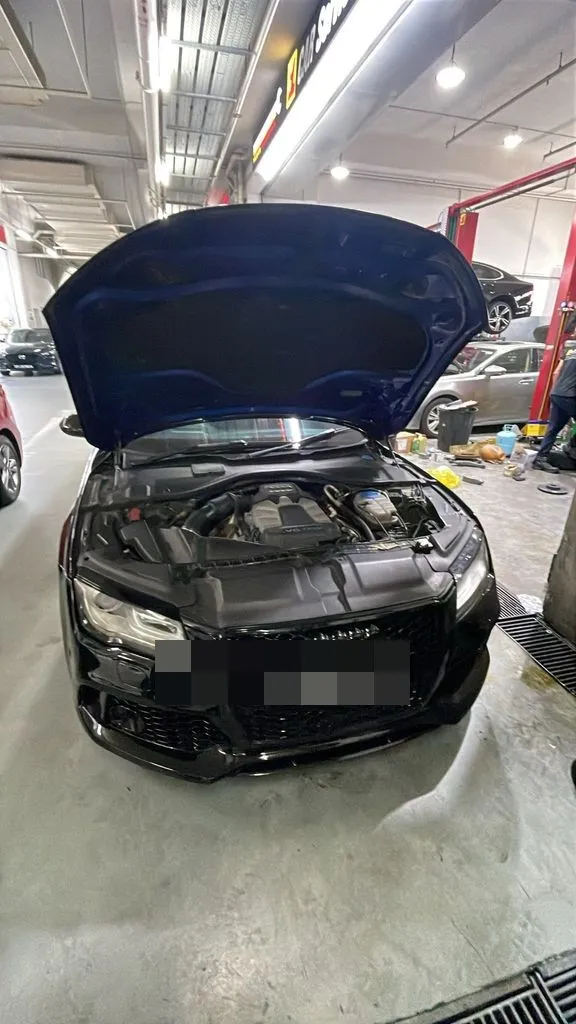
Audi A7 3.0 TFSI in the workshop bay with bonnet open at the start of the Check Engine Light diagnosis

The car

The Audi A7 3.0 TFSI uses a direct-injection 3.0-litre petrol engine. Direct injection delivers fuel directly into the combustion chamber rather than into the intake port, which means the intake valves and ports receive less fuel wash than port-injection engines. Over time, carbon from oil vapour and blowby builds up on the intake valves and ports, gradually restricting airflow. Walnut blasting, where crushed walnut shells are blasted through the intake under pressure, is the correct way to remove this buildup without damaging the valves or ports.

The intake manifold on this engine uses solenoid valves to control the flap runners inside the manifold, which vary the length of the intake tract to optimise torque and power at different engine speeds. A faulty solenoid loses this control and triggers the Check Engine Light.

What we found

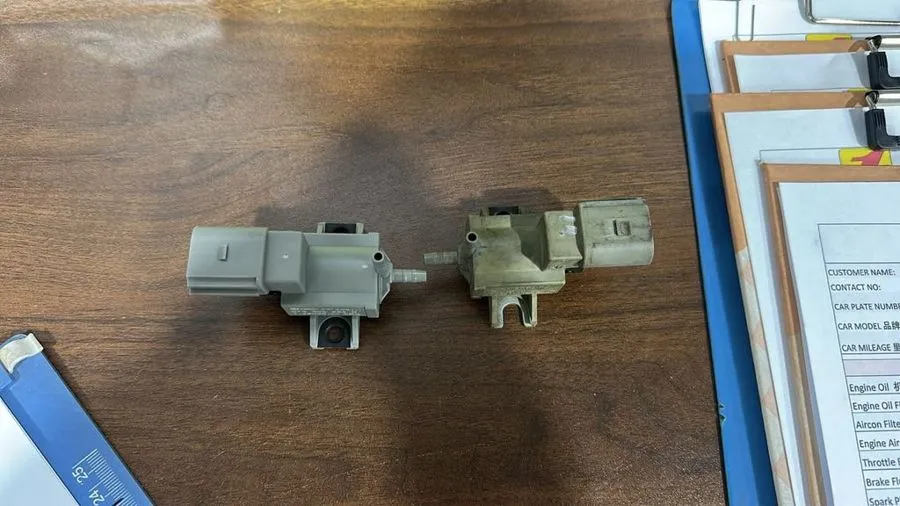
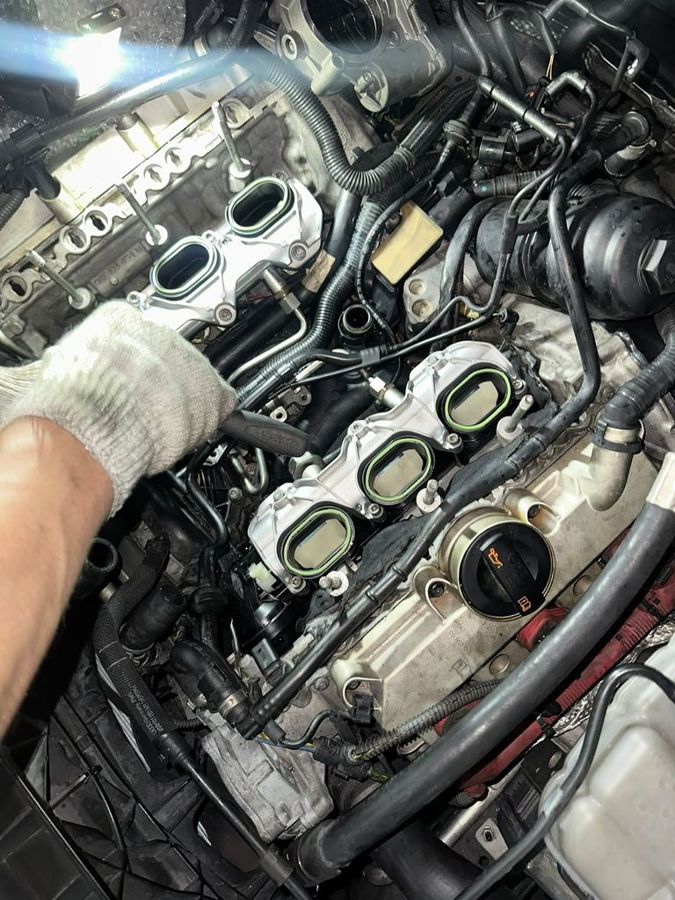
With the ODIS/VAG diagnostic tools connected, we confirmed a fault in the intake manifold circuit. We then stripped the intake manifold to access and replace the solenoid valve.

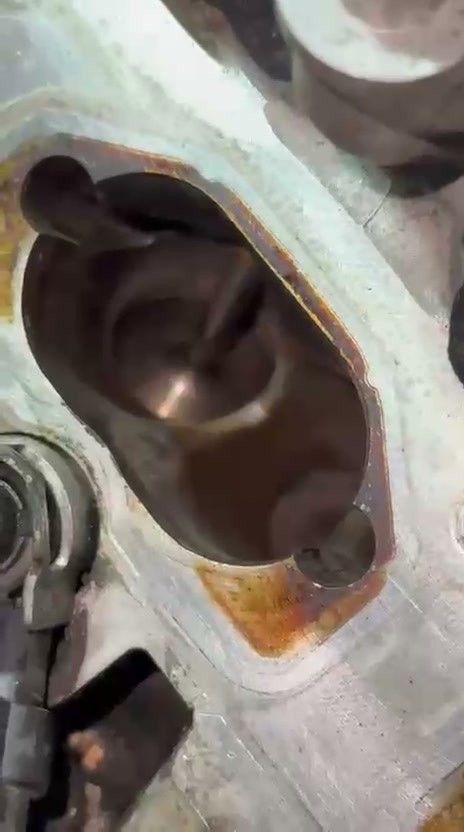
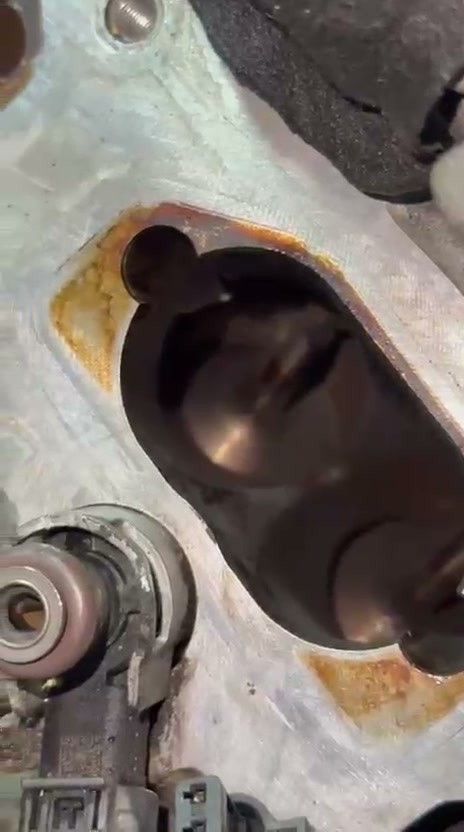
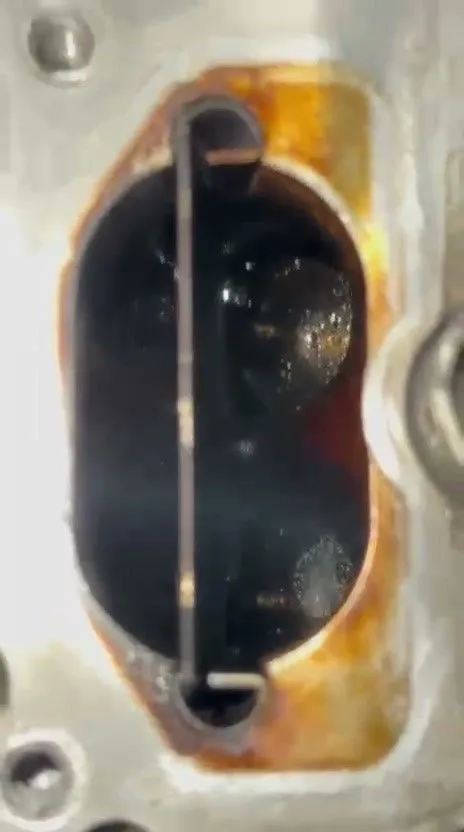
With the manifold off, we looked into the intake ports and found the valves coated in a thick layer of carbon. The buildup was heavy enough that it was restricting airflow into the cylinders, which affects how cleanly the engine breathes and can make faults worse.

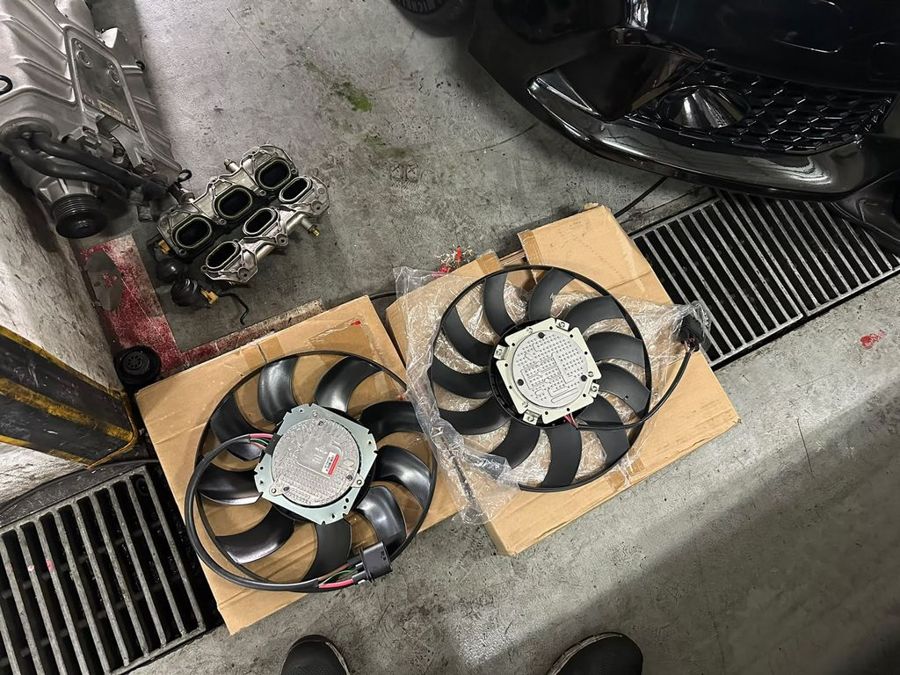
We also found that one radiator fan motor had failed and was not spinning. The cooling fan duty is shared between two motors on this car, and with one down the engine works harder to manage heat, particularly in Singapore's climate. The owner was not aware this was happening.

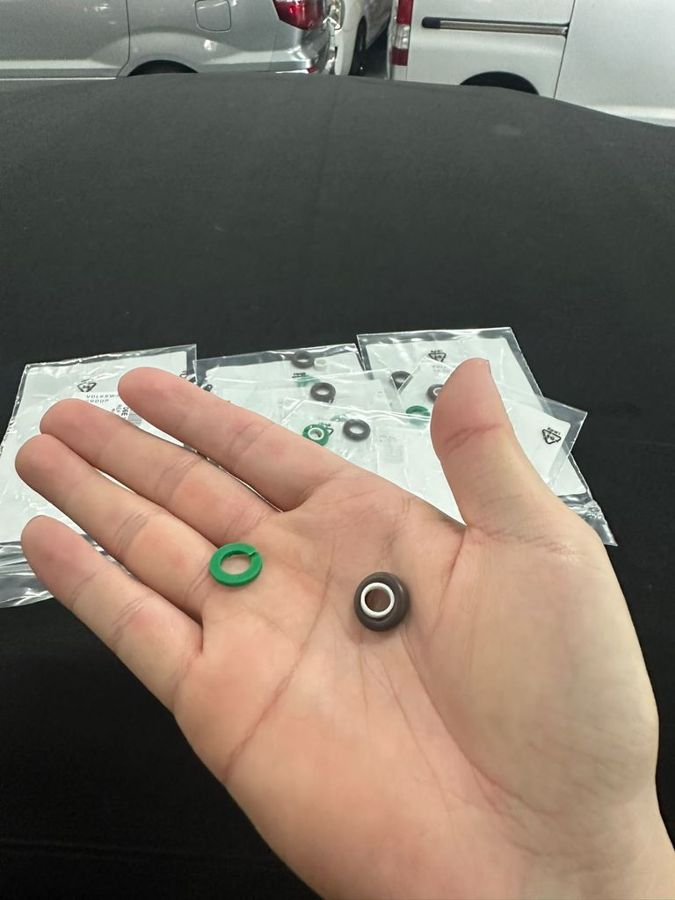
When we inspected the injectors, the O-rings had hardened and cracked with age. Hard O-rings do not seal properly and can allow small leaks at the injector seats.

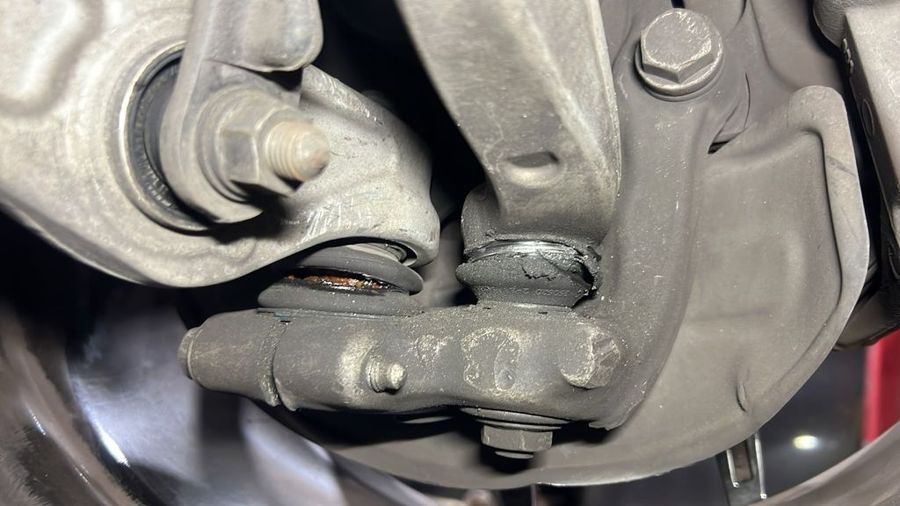
During the undercarriage inspection we also found a cracked lower arm bush.

Audi A7 intake port showing heavy carbon buildup on the intake valves before walnut blasting

Why these faults often appear together on direct-injection engines

The carbon buildup is a known characteristic of direct-injection engines. Without fuel washing the back of the intake valves, carbon from the engine's crankcase ventilation and oil vapour can accumulate over time. The older the car and the longer since the last intake service, the heavier the buildup. It rarely causes a fault code on its own until it is severe, so it is easy to miss if you are only chasing the warning light.

The solenoid valve, the fan motor and the O-rings are all components that age at a similar rate. On a car of this age, finding several things worn together during a strip-down is common, which is why our approach is to inspect properly when we already have the engine open, rather than just replace the one part that triggered the code and send the car home.

What we did

We carried out all the necessary work in one visit.

  • Replaced the faulty intake manifold solenoid valve with a new unit.
  • Walnut blasted all intake valves to remove the heavy carbon deposits. Before and after, the difference in the ports was clear.
  • Replaced the failing radiator fan motor.
  • Replaced all injector O-rings with new ones.
  • Cleaned the throttle body.
  • The cracked lower arm bush was shown to the owner and quoted. Its repair is a separate job.
  • Rescanned with ODIS/VAG after all work to confirm the fault was clear and no new codes were present.

We kept the old parts so the owner could see what was removed.

Old and new Audi A7 intake manifold solenoid valves laid side by side: the old unit is grimy and discoloured, the new unit is clean

Before and after

Before

  • Check Engine Light on
  • Intake manifold solenoid valve faulty
  • Heavy carbon buildup on intake valves restricting airflow
  • One radiator fan motor not spinning
  • Injector O-rings hardened and cracked

After

  • Check Engine Light cleared after new solenoid valve fitted
  • Intake ports and valves clean after walnut blasting
  • Cooling fans running properly after new fan motor
  • Injectors properly sealed with new O-rings
  • ODIS/VAG scan confirmed clean after all work

What an Audi A7 Check Engine Light repair costs in Singapore

The cost of a Check Engine Light repair depends entirely on the actual fault. A solenoid valve alone is a straightforward job, but if the strip-down reveals carbon buildup, worn O-rings or a failed fan motor alongside it, those need to be addressed too.

We diagnose first and quote item by item before any work begins. You will know exactly what is wrong and what each item costs before we proceed. We do not guess and we do not replace parts on spec.

How to stay ahead of this on a direct-injection Audi

The carbon buildup is inevitable on direct-injection engines but the rate depends on how the car is driven and how regularly the intake is serviced. Short runs, lots of city driving and extended service intervals all make the buildup worse.

Having the intake valves checked and blasted as part of a major service, rather than waiting for symptoms, keeps the engine breathing cleanly. If your Audi's Check Engine Light comes on, do not clear the code and wait. It will come back, and the underlying fault may develop further while you wait.

About the workshop

This Audi A7 (Check Engine Light diagnosis, intake manifold solenoid valve, walnut blasting, radiator fan motor, injector O-rings, throttle body clean) was handled at 1 Car Service, an independent workshop in Sin Ming AutoCity, Singapore. For Audi, we use dealer-level ODIS diagnostics. We hold a 4.9★ rating from 1,831+ Google reviews.

When to get your Audi checked

Audi Check Engine Light? Get it properly diagnosed first.

WhatsApp us your Audi model and what the car is doing. We will diagnose the actual fault with ODIS/VAG diagnostic tools and tell you exactly what needs fixing before any work begins. No guesswork, no unnecessary parts.

Audi A7 Check Engine Light and intake manifold repair: common questions

What causes the Check Engine Light on an Audi A7 3.0 TFSI?

There are many possible causes. On this car we traced it to a faulty intake manifold solenoid valve, which controls the runner flaps inside the manifold. Other common causes on the 3.0 TFSI include carbon buildup on the intake valves (which we also found and treated), faults in the ignition system, or sensors that have drifted out of range. A proper diagnostic scan with ODIS/VAG tools is the only way to identify the actual fault on a VAG engine.

Does the Audi A7 need walnut blasting?

All direct-injection petrol engines, including the Audi 3.0 TFSI, accumulate carbon on the back of the intake valves over time. The rate of buildup depends on how the car is driven and how regularly the intake has been serviced. On this A7 the buildup was heavy enough to restrict airflow. Walnut blasting removes the deposits without damaging the valves. We recommend having it checked on any high-mileage direct-injection Audi.

How do I know if my Audi intake manifold solenoid valve is faulty?

The most common sign is the Check Engine Light coming on. The solenoid controls the runner flaps inside the intake manifold, which change the intake tract length to optimise torque at different engine speeds. A fault here is usually confirmed by scanning the car with ODIS/VAG diagnostic tools, which read the intake manifold circuit fault. You may not notice a major change in how the car drives, but the light will stay on.

Can I drive with the Check Engine Light on?

It depends on the fault. A solid Check Engine Light means a fault has been detected; the car may still drive but something is wrong. A flashing Check Engine Light means a serious fault, typically a misfire, and you should stop driving and have the car recovered. Either way, we recommend getting the car scanned promptly rather than ignoring it or just clearing the code.

Do you use proper diagnostic tools for Audi?

Yes. We use ODIS/VAG diagnostic tools for Audi and Volkswagen group cars. Generic OBD scanners can read basic codes but often miss the detail needed to correctly diagnose faults on VAG engines. Using the correct tools means we can confirm the actual fault before any parts are ordered.

8033 7708 Chat with a specialist
WhatsApp 8033 7708
Specialist advice • Honest quote • No obligation