Audi Q7 Oil Leak and Drive System Fault: Diagnosed and Fixed

This silver Audi Q7 TFSI Quattro came in with an engine oil leak and a 'Drive system: fault' warning. We repaired the oil leak at the timing cover and PCV system, replaced worn spark plugs, and cleared the drive system fault.

Job completed: July 2026

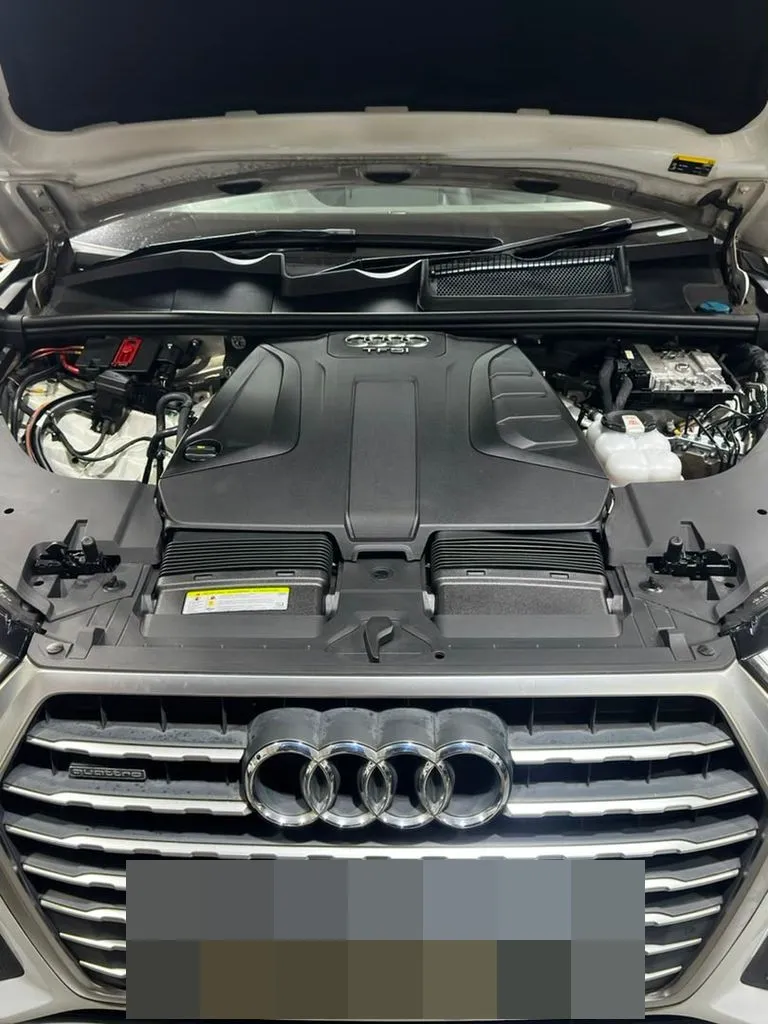
Silver Audi Q7 TFSI Quattro engine bay with the bonnet open at our Singapore workshop, showing the 3.0 TFSI engine

Job completed: July 2026. Last updated: August 2026. Written from our workshop job records and photos; technical details are generalised where the records do not confirm them.

CarAudi Q7 TFSI Quattro (3.0L V6, second generation)
SymptomOil leak evident under car; 'Drive system: fault' warning appearing on virtual cockpit
Fault foundTiming cover gasket seeping; oil separator (PCV) deteriorated; coolant hoses showing age; spark plugs worn
Repair doneTiming cover gasket resealed; oil separator replaced; coolant hoses replaced; new spark plugs fitted
PartsOEM-grade gasket, oil separator, coolant hoses, and spark plugs for the Audi 3.0 TFSI
Time takenTimeline confirmed when you book
CostQuoted after the leak was traced with ODIS and inspection
WarrantyRoad tested before handover

What brought the Q7 in

The owner had been noticing an occasional oil mark on the car park floor. Nothing dramatic: a small patch that appeared after the car sat overnight. Then the virtual cockpit lit up with 'Drive system: fault. Please contact workshop.'

That warning on an Audi quattro can mean anything from a simple sensor misread to a drivetrain fault. The oil leak and the warning together suggested a car that had been running on borrowed time with a few deferred maintenance items.

The owner decided to have everything inspected at once rather than dealing with each symptom as it escalated.

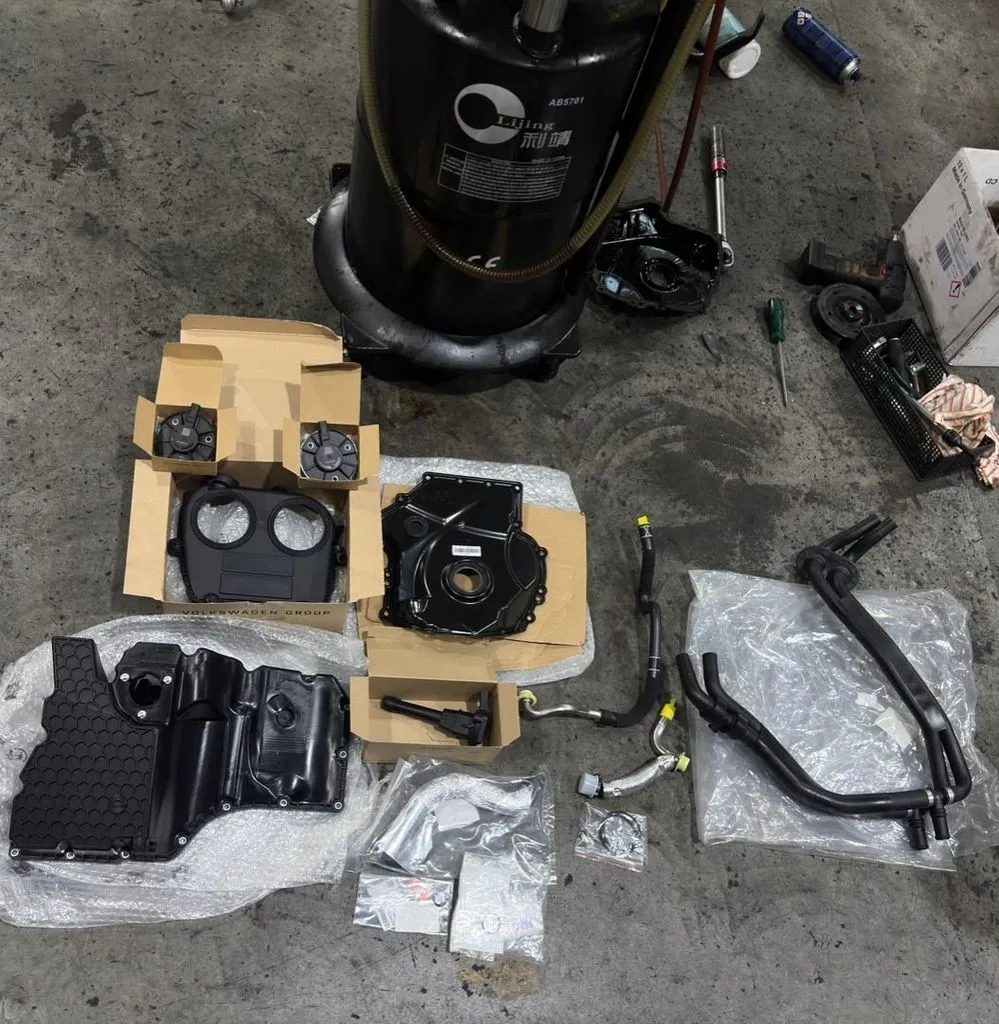
Oil leak repair parts for the Audi Q7 TFSI including timing cover gasket, oil separator and coolant hoses laid out at our Singapore workshop

The Q7 TFSI 3.0L V6 and common leak points

The second-generation Audi Q7 (4M platform) uses a 3.0-litre supercharged or turbocharged TFSI V6 depending on the year. This car is on the 3.0 TFSI, which is a known performer but has established leak points on higher-mileage examples.

The timing cover runs along the front of the engine and seals the timing chain cavity from the outside. The gasket that seals it is a long-life component but can harden and shrink with age, particularly in Singapore's heat. The oil separator (also called the PCV or positive crankcase ventilation valve) is a common leak point on VW Group engines: it handles blow-by gases from the crankcase, and the internal membrane perishes over time. A failed PCV pushes oil vapour into places it should not go and often makes the engine run slightly rough.

Audi Q7 3.0 TFSI V6 engine bay, bonnet open, during inspection at 1 Car Service workshop in Singapore

What ODIS showed us

We connected our ODIS dealer-level diagnostic system and scanned for fault codes. The 'Drive system: fault' had logged misfire events across several cylinders, consistent with worn spark plugs on a high-mileage V6. There were no transmission or quattro drivetrain faults in the stored codes: the drive system warning was a consequence of ignition issues, not a drivetrain failure.

On the lift, we traced the oil leak to two sources: the timing cover gasket on the front of the engine had a seep, and the oil separator membrane had started weeping. We also noted the coolant hoses showing surface cracking consistent with age.

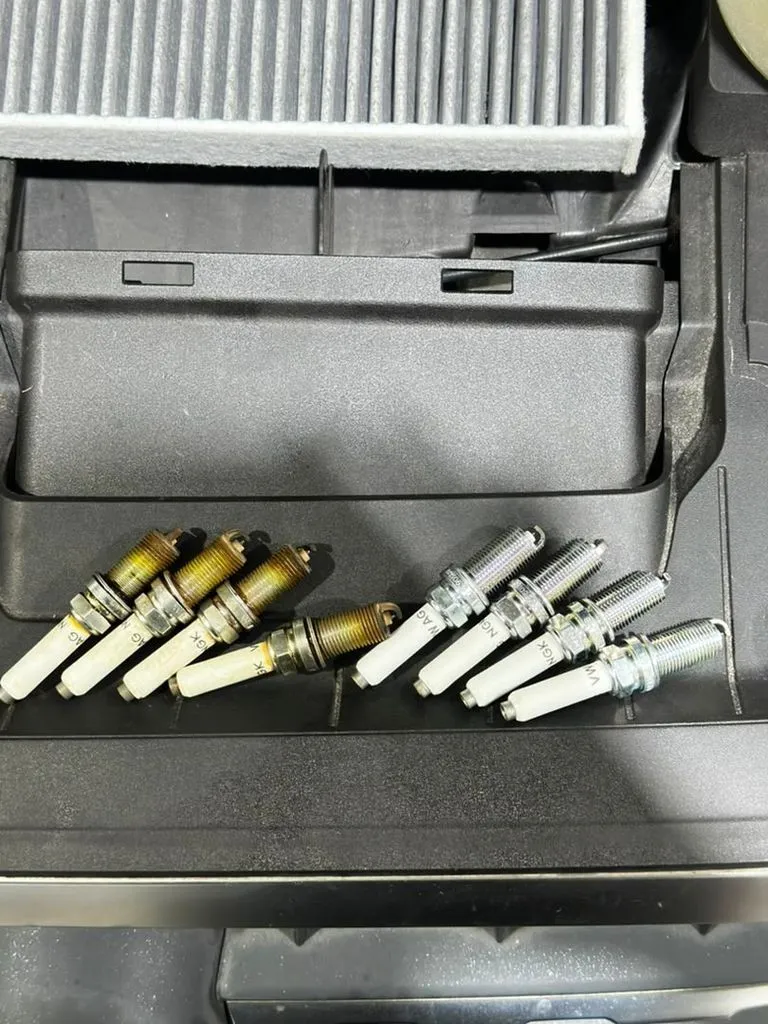
Side-by-side comparison of worn Audi Q7 TFSI spark plugs (left) and new replacement plugs (right)

Why these faults appeared together

An Audi Q7 on Singapore roads accumulates heat cycles faster than the same car in Europe. The engine goes from cold to full operating temperature daily, and Singapore's high ambient temperature and frequent daily heat cycles mean rubber seals age faster than in cooler climates. Rubber seals, gaskets, and hoses age faster in these conditions.

The timing cover gasket and oil separator are both rubber-dependent components. Age and heat cycles cause the rubber to harden and lose its ability to seal. It is common to find both leaking at the same time on a higher-mileage Q7.

The spark plugs had simply reached their replacement interval. Worn plugs on the 3.0 TFSI cause misfires at low load, which registers as a drive system fault in the Audi virtual cockpit because the engine management system detects combustion irregularity and logs it under the drivetrain fault umbrella.

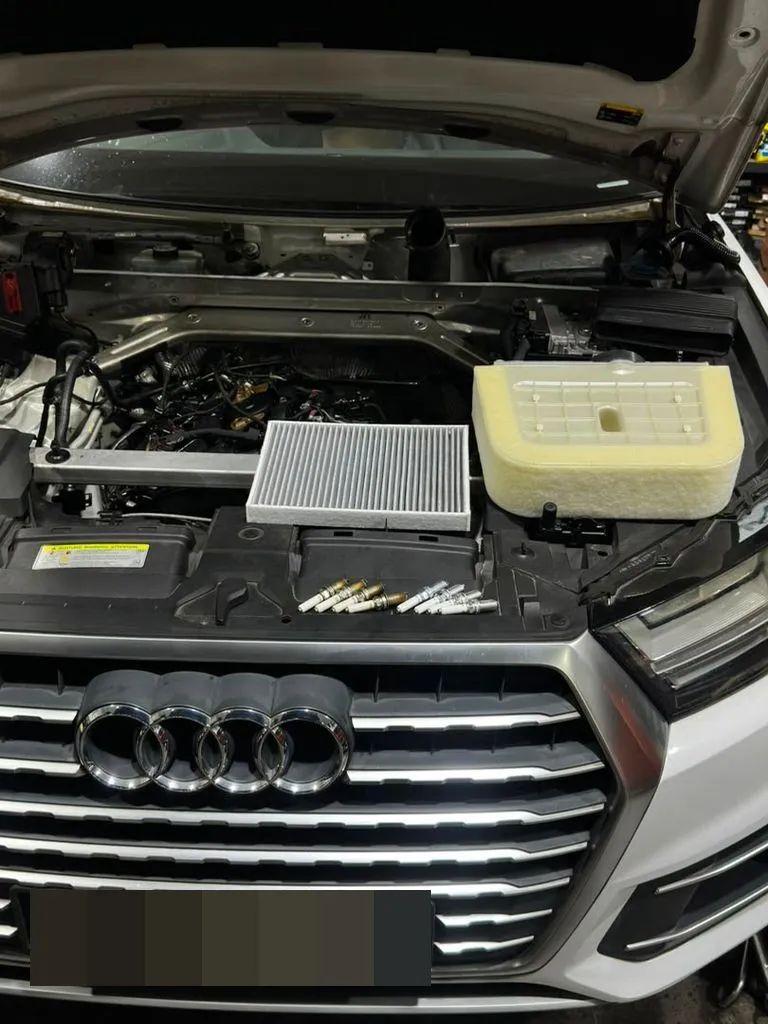
New spark plugs for the Audi Q7 3.0 TFSI V6 ready for installation at our Singapore workshop

What we did

We addressed the oil leak sources and the ignition system in the one visit.

Oil leak repair:

  • Drained the engine oil.
  • Removed the timing cover and replaced the timing cover gasket.
  • Replaced the oil separator (PCV valve) assembly.
  • Replaced the deteriorated coolant hoses.
  • Refilled with fresh oil to the correct specification.

Ignition:

  • Removed all six spark plugs from the 3.0 TFSI V6.
  • Inspected the plug condition: electrode wear and gap inconsistency confirmed they were at the end of their service life.
  • Fitted new spark plugs to the correct torque spec.

Post-repair:

  • Cleared all fault codes with ODIS.
  • Ran an ODIS function check on the drivetrain and engine systems.
  • Road tested to confirm no leaks, no warning lights, and smooth power delivery.
  • Confirmed the drive system fault did not return.

Before and after

Before

  • Oil marks on car park floor, leak getting worse
  • Drive system: fault warning on virtual cockpit
  • Engine running slightly rough at low load
  • Coolant hoses showing surface cracking

After

  • Timing cover gasket and oil separator replaced, leak sealed
  • New coolant hoses fitted
  • All six spark plugs replaced, misfires resolved
  • Drive system fault cleared, no recurrence on road test
  • Road tested before handover

What Audi Q7 oil leak repair costs in Singapore

Oil leak repair on an Audi Q7 varies with the source of the leak and the parts involved, so we quote after the leak is traced. A timing cover gasket and oil separator job is quoted on its own scope, and adding spark plugs for a V6 adds the plug set and a modest amount of labour while the engine is already open.

The diagnostic step is important. Replacing timing cover gaskets on guesswork before confirming with ODIS is expensive. Knowing the exact fault codes let us repair only what needed repairing.

We quote before we start and do not proceed without your approval.

Keeping the Audi Q7 engine in good condition

A few maintenance habits prevent the kind of multi-fault visit this Q7 needed:

  • Address oil leaks early. A small drip is a manageable gasket job. Left long enough, it can become an oil-on-belt or oil-on-wiring problem that is far more expensive.
  • Replace spark plugs at the scheduled service interval for the engine. Worn plugs cause misfires that register as system faults.
  • If the drive system warning appears, have it scanned with ODIS promptly. Many quattro drivetrain warnings trace back to simple ignition or sensor faults rather than driveline failures. Scanning takes the guesswork out.
  • Check coolant hose condition at every major service. Cracked outer surfaces mean the hose interior is deteriorating and a split is coming.

About the workshop

This Audi Q7 TFSI Quattro (Engine oil leak repair and spark plug replacement) was handled at 1 Car Service, an independent workshop in Sin Ming AutoCity, Singapore. For Audi, we use dealer-level ODIS diagnostics. We hold a 4.9★ rating from 1,775+ Google reviews.

Signs your Audi Q7 needs attention

Oil leak or warning light on your Audi?

WhatsApp us a photo of the leak or the dashboard warning, plus which Audi model you drive. We will tell you honestly what the likely fault is and quote before any work begins. We use ODIS dealer-level diagnostics for all Audi and VW Group work.

Audi Q7 oil leak and drive system fault: common questions

How much does it cost to fix an oil leak on an Audi Q7 in Singapore?

It depends on the leak source, which is why we trace it first. A timing cover gasket and oil separator job at the front of the engine is a common repair, and doing the spark plugs at the same time saves labour. We quote before we start.

What causes the 'Drive system: fault' warning on an Audi Q7?

The drive system fault on an Audi Q7 can indicate anything from a transfer case or quattro drivetrain issue to a simple ignition misfire. On this Q7, ODIS diagnostics showed the fault was caused by misfires from worn spark plugs, not a drivetrain failure. Scanning with ODIS identifies the root cause so you fix the right thing.

Do you use Audi ODIS diagnostics?

Yes. We use dealer-level Audi/VW Group ODIS diagnostics to read fault codes, check live sensor data, and verify repairs. This is the same diagnostic platform the Audi authorised dealer uses.

Can an Audi Q7 oil leak get worse if ignored?

Yes. A small gasket seep that costs a few hundred dollars to fix can become a much larger job if oil gets onto the accessory belt or wiring loom. Oil-soaked rubber belts fail early and can pull other components with them. The rule with any oil leak is to fix it while it is still small.

How often should Audi Q7 spark plugs be replaced?

Spark plugs are a scheduled service item, and the exact interval depends on the engine and year, so we go by the service schedule for the car. If the engine idles rough or a drive system warning appears, have the plugs checked regardless of mileage. Worn plugs cause misfires that register as drive system faults and reduce fuel economy.

8033 7708 Chat with a specialist
WhatsApp 8033 7708
Specialist advice • Honest quote • No obligation