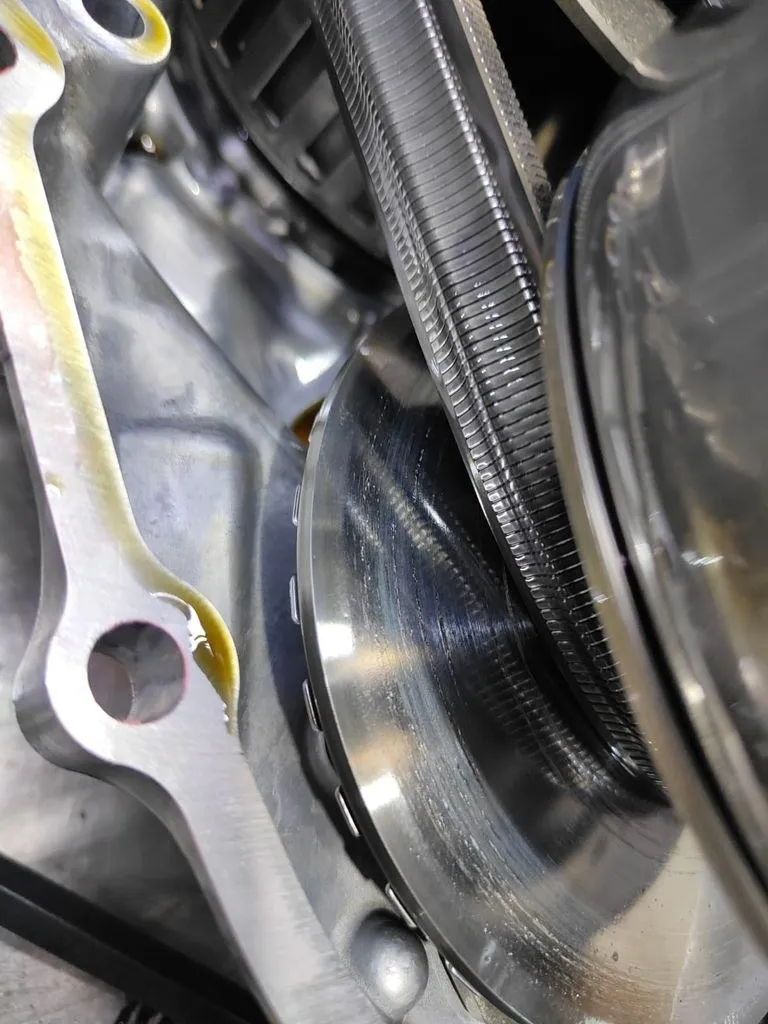
CVT gearboxes rely heavily on correct fluid condition. The CVT fluid lubricates the belt or chain, provides hydraulic pressure to the pulley clamping system, and cools the transmission. When the fluid degrades, the clamping force on the belt drops, which allows the belt to slip against the pulley faces. This slipping generates heat and accelerates wear on both the belt and the pulley surfaces.
Singapore's stop-start city driving keeps the CVT in a low-speed, high-load condition for much of its working life. This is the mode where CVT fluid temperature is highest and where fluid degradation is fastest.
The valve body controls when and how fluid pressure shifts between the pulley sides. A faulty valve body cannot direct pressure correctly, which means the CVT cannot adjust its ratio properly regardless of how good the rest of the transmission is. This is why our chief mechanic confirmed it needed replacement as part of the same job.
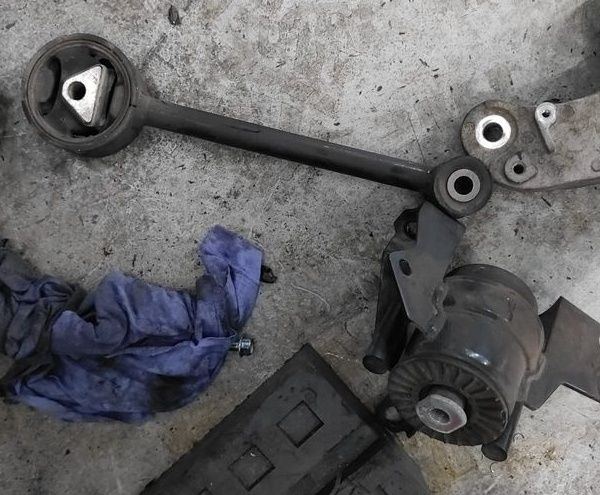
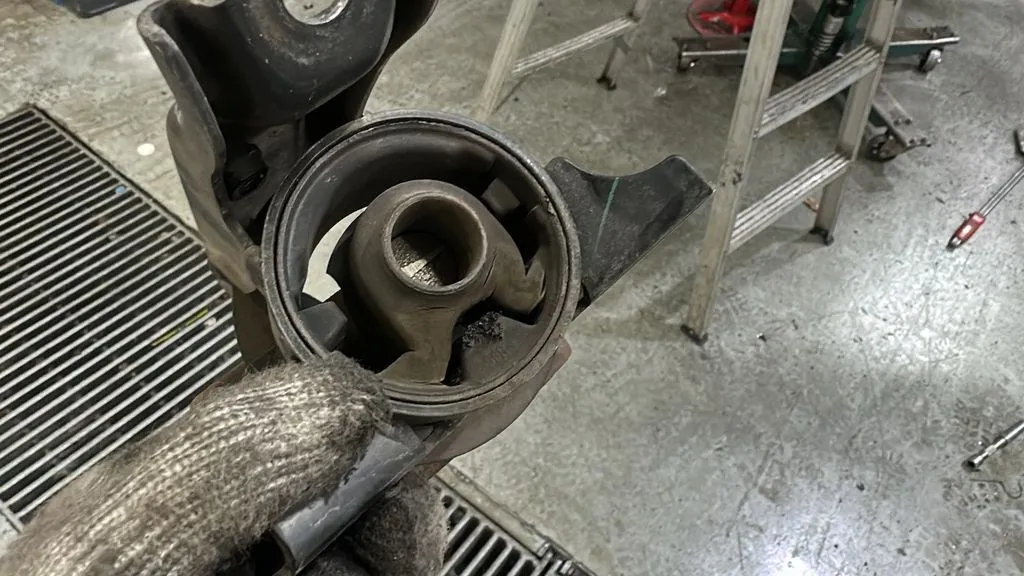
The collapsed engine mounts are a separate issue caused by rubber aging in Singapore's heat, but they compound the problem by allowing the drivetrain to move more than designed, adding stress to transmission mounts and the gearbox connections.